








How to check if beef is halal in Japan (a simple shopping guide)

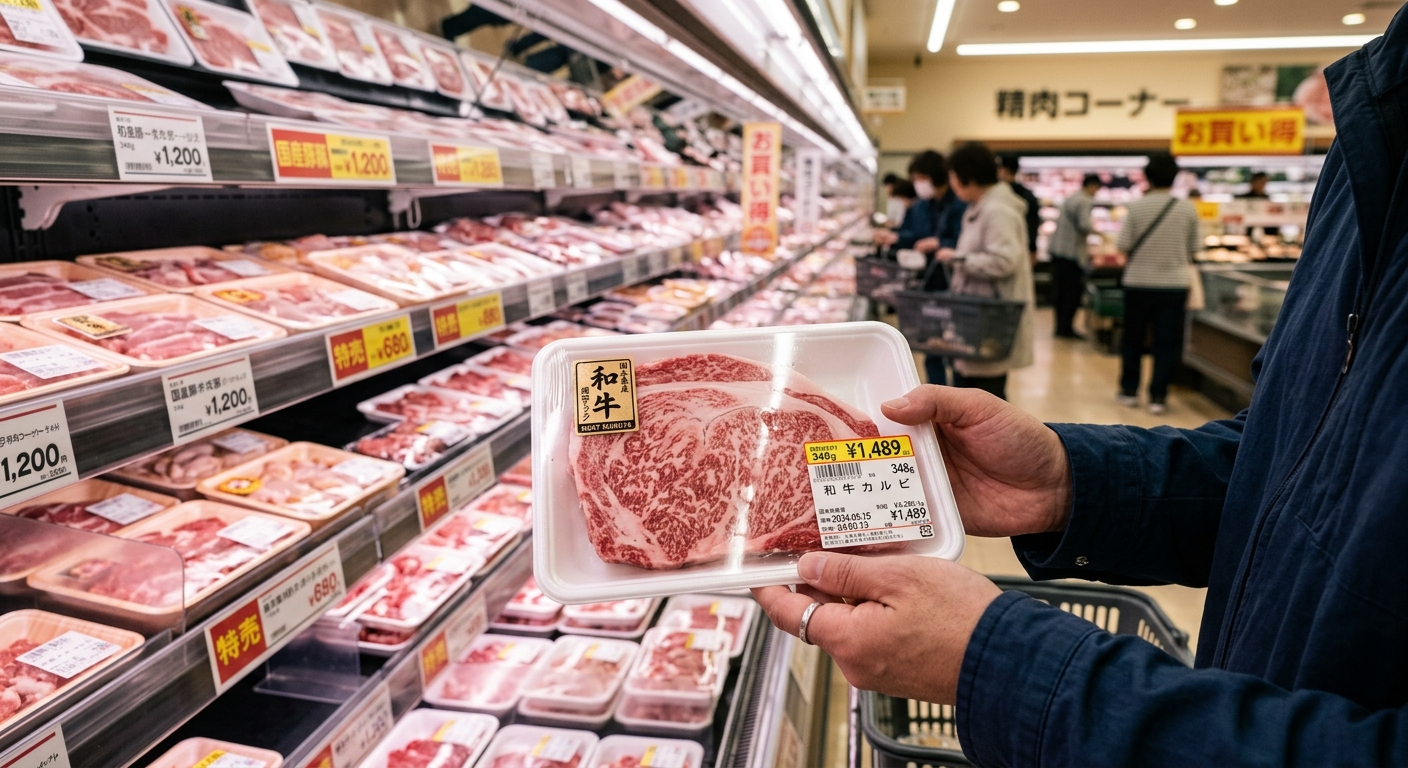
Imagine you are beside the meat shelf in a Japanese supermarket. The beef looks great. The package says wagyu, A5, domestic. But one question stays in your head: is this actually halal?
Finding halal beef in Japan is one of the biggest shopping problems for Muslim families here. Japanese labels tell you the grade, the cut, and the origin. They rarely tell you how the animal was slaughtered.
The good news is that you can check. This guide shows you how to check if beef is halal in Japan, step by step. You will also learn which label traps to avoid and where to buy with confidence.
Want to skip the guesswork? Browse our halal beef in Japan collection at AA Halal Foods and shop with confidence.
Why halal beef is hard to find in Japan
Japan has a strong beef culture. But it is built around taste and marbling, not religious slaughter rules.
Most cattle here are processed in standard slaughterhouses. Halal slaughter needs specific steps, and only a few facilities offer it. So halal meat is a small part of the market.
Labeling is another problem. Japanese food labels cover ingredients, allergens, and origin. No rule forces a seller to say whether meat is halal. A package can look clean and still not be halal.
Also, "no pork" does not mean halal. Beef can come from a non-halal source, or touch non-halal items during packing.
What makes beef halal? A quick refresher
Before you check, know what you are checking for. Halal beef usually means:
- The animal was healthy and alive at slaughter
- A Muslim slaughterer made the cut by hand
- The name of Allah was said at the time of slaughter
- The blood was fully drained
- The meat did not touch haram items during storage or packing
Small rule differences exist between certifiers. That is why a proper certificate is your best proof.
5 steps to check if beef is halal in Japan
Use these steps every time you buy. They take a few minutes once you get used to them.
- Look for a halal logo or certificate. Start with the package. Look for a halal logo or the word ハラール. Many halal sellers also show their certificate in store or on their website. No logo? Treat the beef as not halal until proven otherwise.
- Check who issued the certificate. A logo alone means little. Anyone can print one. Look for the name of the certifying body, such as the Japan Halal Association. A trusted seller will share the certificate without fuss.
- Read the ingredient and origin label. Find 原材料名 (ingredients) and 原産地 (origin). Plain beef should have a very short list. For processed items, watch for pork (豚), lard (ラード), gelatin (ゼラチン), and alcohol such as mirin or cooking sake (みりん, 料理酒). Any of these can make a product non-halal.
- Ask the seller direct questions. Keep them simple:
- Who slaughtered the animal?
- Where was the meat processed?
- Is the certificate current?
- Is the meat stored away from pork?
- Check storage and packing. Halal beef can lose its status if it sits next to pork. Buy from shops that keep halal meat separate, or from specialists who only sell halal.
Not sure about a product? Message the AA Halal Foods team.
Quick checklist
- Halal logo or certificate
- Named certifier
- Clean ingredient list
- Clear answers from the seller
- Separate storage
Common label traps to avoid
Some labels look helpful but prove nothing. Watch out for these.
"Halal-style" or "halal-friendly." These words are marketing, not certification. They do not tell you how the animal was slaughtered.
Logos with no certifier. A logo with no body behind it is just a picture. Always ask who approved it.
Hidden ingredients in processed beef. Burger patties, sausages, and stock cubes can contain gelatin, lard, or alcohol-based flavoring.
Origin-only labels. "Product of Australia" tells you where the beef is from. It does not tell you how it was slaughtered. Imported does not mean halal.
The wagyu myth. Wagyu is a breed and a quality grade. It says nothing about halal status. Premium beef still needs a halal certificate.
Where to buy halal beef in Japan
You have three main options.
Halal grocery stores. These are the easiest choice if one is near you. Big cities have more of them, but many towns have none.
Online halal shops. Shipping across Japan means you do not need to travel for a good cut. You can read product details at home, take your time, and avoid the label guessing game. AA Halal Foods is an online halal grocery store based in Chiba, and you can find everything in one place at our online halal grocery store in Japan.
Regular supermarkets and butchers. Only buy here if the seller can show a valid halal certificate. Ask, do not assume.
A halal specialist saves you time. You do not need to check every label for hidden surprises, because the whole shop is built around halal needs.
Which beef cut suits which dish
Once you find halal beef, pick the right cut. It makes a big difference in taste.
- Mince: burgers, kofta, keema, and stuffed dishes
- Cubes: curries and slow stews
- Steak cuts: quick pan-frying or grilling
- Bone-in cuts: soups and rich, deep-flavored stews
Bone-in cuts take longer to cook but give much more flavor. Not sure which one to choose?
Processed beef products to double check
Plain beef is the easy part. Processed products are where mistakes happen. Take extra care with:
- Stock cubes and bouillon
- Sausages and burger patties
- Curry roux, which often has beef fat or extract
- Ready meals and frozen foods
- Instant noodle soup bases, which often use beef extract (see our list of halal instant noodles in Japan)
If you cannot confirm the source of the beef in a product, skip it. It is better to be safe than unsure.
Looking for easy, trusted options? Shop our halal range at AA Halal Foods and save hours of label reading.
Eating out vs cooking at home
Restaurants are harder to check. Even if a menu says halal, ask where the meat comes from and whether the kitchen cooks pork on the same grill. Staff may not always know the answer, and that tells you something too.
Cooking at home gives you full control. You choose the meat, the oil, and the sauce. If you are ever unsure, a simple home meal with trusted ingredients is the safest choice.
Buy halal beef in Japan with confidence
Checking labels, asking questions, and reading certificates takes time. We understand. That is why AA Halal Foods exists.
We make halal shopping simple. Browse our range, read the product details, and order from home. No more standing in the aisle wondering if the beef is right for your family.
Ready to shop? Explore our halal beef today at AA Halal Foods.
Have a question first? Contact our team and we will help.