













Is Japan Muslim-Friendly? A Complete Guide for Muslim Travelers and Residents

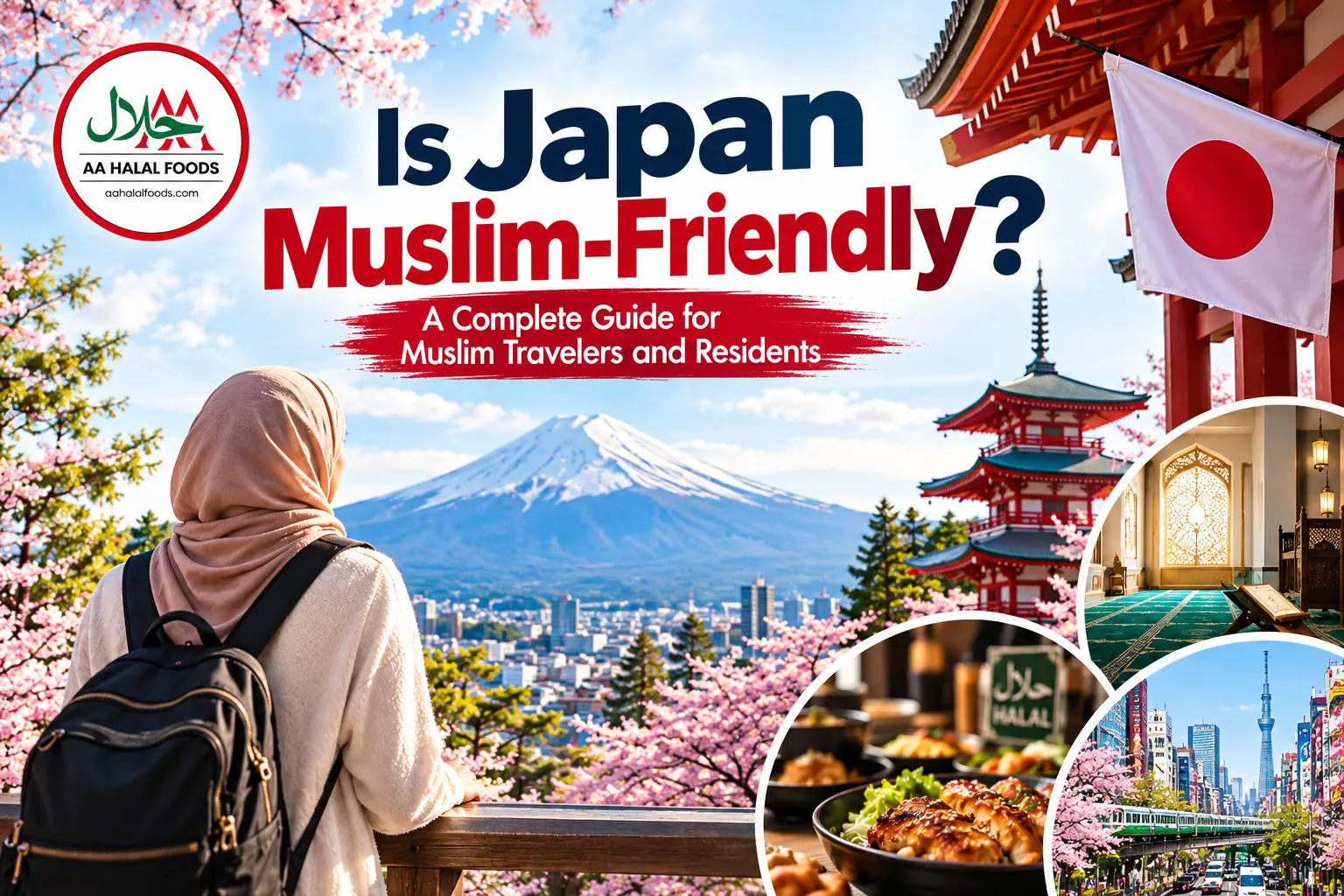
If you are Muslim and thinking about visiting or moving to Japan, you probably have one big question: will I be able to live here comfortably? The good news is yes. Japan is becoming more and more welcoming to Muslims every year. With a growing South Asian community, more halal options, and a culture that respects personal beliefs, life here is easier than most people expect.
In this guide, we will walk through what matters most: food, prayer, daily culture, and life as a Muslim resident. Whether you are from Bangladesh, Pakistan, India, or anywhere else in Asia, this article will help you understand what to expect.
Food and dining
Food is usually the first worry for Muslims moving to Japan. A few years ago, finding halal food outside big cities was tough. Today, things look very different.
Halal restaurants are popping up in cities like Tokyo, Osaka, and Chiba. Many supermarkets now carry products with halal certification symbols, so you know what you are buying without guessing. Some convenience store chains have even started stocking halal-friendly snacks.
That said, eating out can still be tricky. Some dishes use hidden alcohol in cooking, and broths for ramen or curry are often made with pork or non-halal meat stock. Cross-contact in kitchens is also common, since many places are not set up with halal practices in mind.
Because of this, many Muslim families and students prefer to cook at home using trusted halal groceries instead of relying on eating out. This is exactly where AA Halal Foods comes in.
AA Halal Foods delivers 100% halal groceries, snacks, and everyday essentials straight to your door, anywhere in Japan. No more guessing at supermarket labels or worrying about hidden ingredients. Shop now and stock your kitchen with confidence.
Prayer and mosques
Finding a place to pray used to be one of the harder parts of living in Japan. That has changed a lot over the last ten years.
Japan now has mosques in major cities including Tokyo, Kobe, Nagoya, and Chiba. Many of these mosques are more than just prayer spaces. They act as community centers where people gather for Friday prayers, Eid celebrations, and even halal food stalls on weekends.
Prayer rooms, sometimes called musalla, are also becoming more common in places like airports, shopping malls, and university campuses. Several Muslim-friendly apps are now widely used in Japan to help with prayer times and finding the Qibla direction, making daily prayer much simpler.
Outside big cities, things move a little slower. In smaller towns, you may need to plan ahead or ask around, but this is improving as the Muslim population grows across the country.
Culture and daily life
One thing that surprises many Muslims moving to Japan is how respectful the culture is toward personal choices. Japanese society values privacy and does not usually interfere with how someone dresses or practices their religion. Wearing a hijab is not an issue, legally or socially.
Ramadan is manageable too. While it is not a public holiday, more workplaces and schools are becoming aware of fasting needs and are willing to make small accommodations, especially in cities with larger Muslim communities.
Of course, there are challenges. The language barrier can make things like reading ingredient labels or asking questions at a restaurant difficult. Some products still lack clear halal labeling, and awareness is lower in smaller towns compared to Tokyo or Chiba.
The good news is that Muslim-owned businesses and community groups are growing fast. These groups often help newcomers settle in, share advice, and point people toward trusted halal food sources, mosques, and other resources.
Living and working in Japan as a Muslim
More and more Bangladeshi, Pakistani, and Indian Muslim families are choosing to settle in Japan, especially in cities like Chiba where communities are already forming. Whether you are visiting short-term or planning a long-term move, understanding the right visa process makes everything smoother.
If you are just planning a visit, our guide on the Japan tourist visa process for Bangladeshis. It walks you through everything you need.
Thinking about studying here instead? Check out our breakdown of the Japan student visa process to see exactly what paperwork you will need.
For those looking to do business in Japan, our article on the Japan business visa process covers both short trips and long-term plans.
Once your visa and travel plans are sorted, the next step is settling in comfortably, and that starts with your kitchen.
Already planning your move to Japan? Stock your kitchen with trusted halal food from day one. AA Halal Foods delivers nationwide, so you can settle in without worrying about finding halal groceries. Explore our products today.
Tips for Muslim visitors and newcomers
Here are a few simple tips to make your time in Japan easier:
- Download a halal food or prayer time app before you arrive
- Carry a portable prayer mat for travel days
- Ask your hotel or accommodation if they have a quiet space for prayer
- Order halal groceries online instead of spending hours searching in stores
Small steps like these can save you a lot of stress, especially in your first few weeks.
New to Japan? Let AA Halal Foods take the stress out of grocery shopping. With nationwide delivery and trusted halal sourcing, you can focus on settling in instead of searching for food you can trust.
Final thoughts
Japan is far more Muslim-friendly than many people expect. Mosques are growing, halal food is easier to find, and daily culture respects personal beliefs. Yes, there are still small challenges, especially outside big cities, but the trend is clearly moving in a positive direction.
Whether you are visiting for a short trip or building a new life here, food, prayer, and daily living are all manageable with the right resources by your side. And when it comes to food, AA Halal Foods is here to make sure you never have to compromise on what you eat, no matter where in Japan you are.